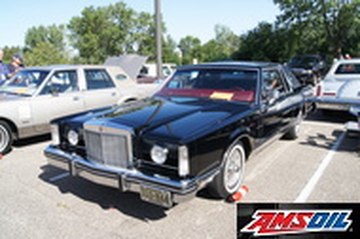
Engine Lubrication and Maintenance for the 1982 Lincoln CONTINENTAL 5.0L
Maintaining a classic luxury vehicle like the 1982 Lincoln CONTINENTAL requires a disciplined approach to routine service. With the 5.0L engine at the heart of this vehicle, consistent attention to lubrication systems is a fundamental aspect of long-term ownership. Proper maintenance helps ensure that mechanical components continue to operate smoothly and reduces the likelihood of unexpected issues arising from neglected fluids or aging parts.
Monitoring Fluid Integrity and Condition
One of the most effective ways to monitor the health of the 5.0L engine is through regular observation of its lubricants. Rather than relying solely on scheduled intervals, an observant owner can gain significant insight by checking the condition of the oil during routine inspections. Changes in the appearance or smell of the lubricant can be early indicators that something requires attention.
When performing a check, look for several specific signs:
- Color and Clarity: While engine oil naturally darkens as it accumulates contaminants over time, an extremely dark or gritty texture may suggest extended service intervals or the presence of heavy deposits.
- Consistency: The presence of any milky or frothy appearance in the oil can indicate that other fluids, such as coolant, may be entering the lubrication system. This warrants immediate investigation to identify the source of the mixture.
- Odor: A strong smell of fuel within the oil can be associated with issues in the combustion or fuel delivery process and should not be ignored.
Regularly checking fluid levels is equally vital. Maintaining the correct volume of lubricant ensures that the engine remains properly protected during operation. If you notice a frequent need to top off the oil, it may indicate a leak or an unusual rate of consumption that should be investigated by a professional.
Observing Potential Warning Signs
In any vehicle, especially one with significant age, certain symptoms can serve as indicators that maintenance priorities need to shift. It is important to remember that many symptoms can have multiple underlying causes, so they should be treated as prompts for further inspection rather than definitive diagnoses.
For the 1982 Lincoln CONTINENTAL, keep an eye out for visible signs of seepage or leakage around the engine block and associated components. Even small amounts of fluid accumulating on the exterior of the engine can eventually lead to larger issues if left unaddressed. Additionally, any unusual mechanical noises that coincide with engine operation should be documented and investigated. These sounds may be related to various internal or external components and are best addressed before they escalate.
If you observe any changes in how the vehicle operates—such as variations in smoothness or unexpected changes in performance shortly after a service has been performed—it is wise to re-examine the work completed. This helps ensure that all seals, filters, and fluid levels were correctly managed during the last maintenance event.
Prioritizing Long-Term Engine Care
As vehicles age, the strategy for maintenance often shifts from simple part replacement to a more holistic approach based on the current condition of the machine. For an owner of a 1982 Lincoln CONTINENTAL, establishing a baseline of the vehicle's current state is a highly effective way to manage future repairs.
If you have recently acquired this vehicle or do not have access to a complete service history, your first priority should be to document the current condition of all major service items. This includes reviewing any available maintenance records to see when fluids were last changed and which components have been replaced. If no records exist, performing a thorough inspection of aging materials—such as hoses, if present, or accessible belts, if equipped—can help you create a new baseline.
Effective long-term ownership involves distinguishing between preventive maintenance and unnecessary replacements. Rather than replacing every component simply because of its age, focus on components that show actual signs of wear, such as cracking in rubber parts or evidence of seepage at connection points. Addressing active leaks or addressing overdue service items first allows you to allocate resources toward the most critical needs of the engine.
Inspection of Aging Components
The materials used in automotive construction are subject to environmental factors and thermal cycles over decades. For a 1982 model, certain components may require more frequent visual checks than they would on a newer vehicle. When performing routine maintenance, it is beneficial to look beyond just the oil and consider the surrounding systems that support engine health.
Inspect any visible electrical connections and wiring for signs of brittleness or corrosion. Similarly, if the vehicle is equipped with various belts, check them for signs of glazing, fraying, or surface deterioration. While these inspections are routine, they provide an opportunity to catch minor issues before they lead to a loss of accessory function. If hoses are present and accessible, checking them for softness, swelling, or cracks is also a prudent step in preventing cooling-related complications.
Selecting the Right Lubricant Formulations
When it comes to choosing an engine oil, there are several different formulations available on the market today. Understanding the differences can help you make an informed decision based on your specific vehicle's needs and your driving habits.
Conventional oils remain a standard option for many applications. However, for engines that have seen significant years of service, some owners consider high-mileage formulations. These specialized oils often contain seal-conditioning additives intended to help maintain the integrity of aging gaskets and seals. While these are not a substitute for repairing active leaks, they can be part of a broader strategy for managing an older engine.
Synthetic and synthetic-blend oils offer different thermal stability profiles and oxidation resistance compared to conventional oils. These characteristics can be beneficial in maintaining lubricant consistency under various operating conditions. Regardless of the formulation you choose, always ensure that the product meets the appropriate API certification standards to guarantee a baseline level of quality and performance.
Buying Engine Oil for your 1982 Lincoln CONTINENTAL 5.0L
When you are ready to purchase new lubricant, the most important step is to match the oil to the application-specific information provided on this webpage. Because different engines require specific properties to operate correctly, you should never rely on general knowledge or assumptions based solely on the vehicle's age or displacement.
Before completing your purchase, carefully check the product labeling to verify that the oil meets the necessary specifications. Match the engine oil to the application-specific viscosity information shown above on this page. Whether you decide on a conventional, synthetic blend, or high-mileage formulation, ensuring that the lubricant aligns with the technical data provided for this 1982 Lincoln CONTINENTAL 5.0L is the best way to support the continued health of your engine.